

Equipment integration starts with component fit
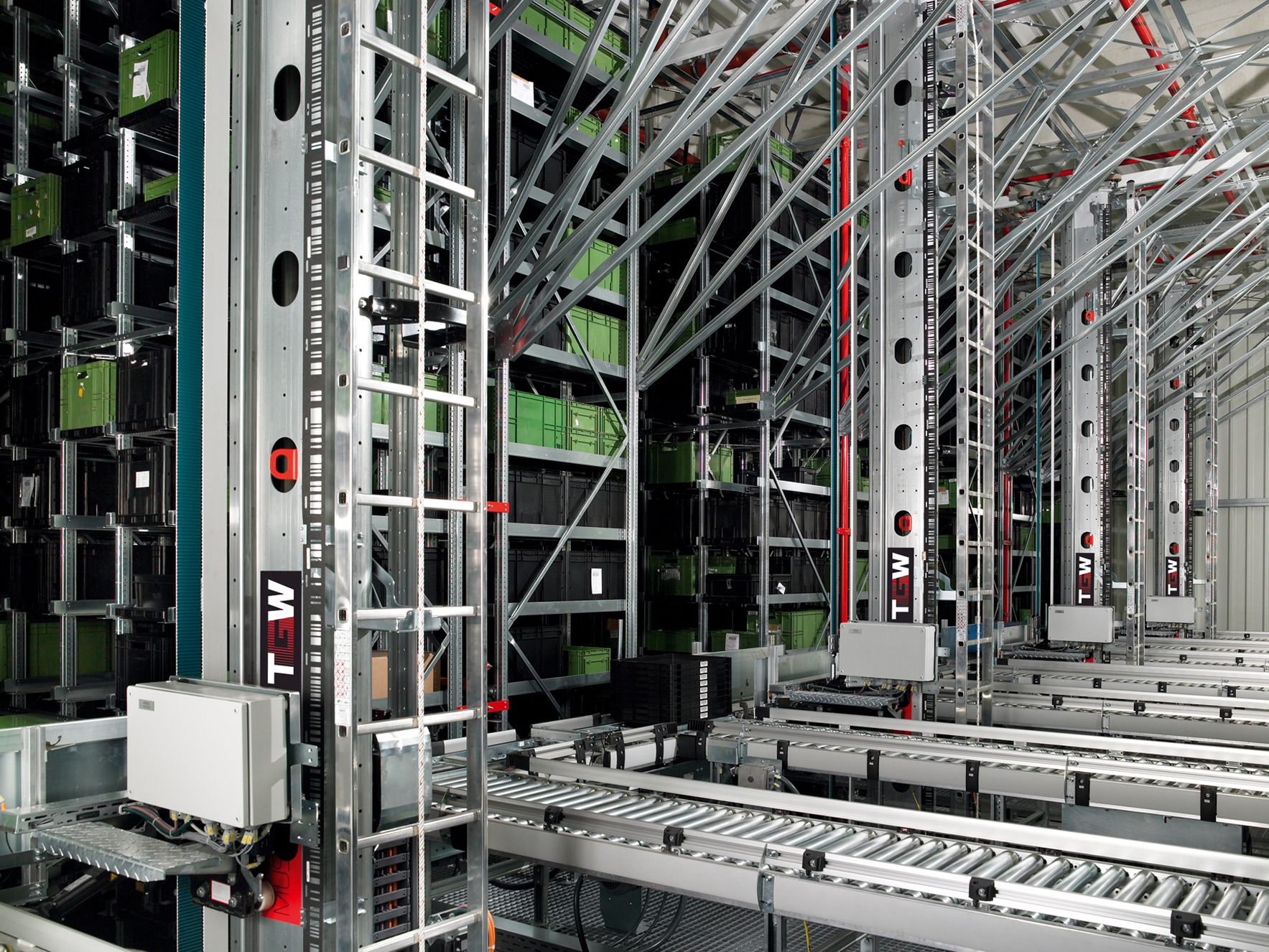
Automated warehouses depend on coordinated interfaces between loads, pallets, conveyors and storage and retrieval equipment. Planning involves load dimensions, weight and available space as well as storage capacity. For equipment manufacturers, these requirements translate into component drawings, assembly positions and acceptance criteria. A manufacturing partner who can review drawings and discuss processing requirements helps connect design with production.

Loads & pallets
Dimensions, weight and load requirements
Conveying & transfer
Transfer positions and equipment interfaces
Storage & retrieval
Storage layout and retrieval clearances
Manufacturing experience for custom requirements
Shi Pin has experience in manufacturing collaboration for warehousing applications, drawing on tube processing and process coordination capabilities to meet custom requirements. Component drawings and application requirements provide the basis for discussing processing methods, operation sequences and delivery arrangements, bringing shop-floor experience to development and procurement reviews.
Review dimensions, hole positions and assembly requirements together
For equipment components made from tubing, discussions can start with outside diameter, wall thickness, bend radius, angles and straight lengths. Punching, end processing or welding may also require agreement on hole-position datums, mating dimensions and joining methods. The equipment team supplies design and acceptance requirements for loading, operating clearances and the service environment, giving the manufacturing review a clear basis.
More than four decades of tooling experience create options
Established in 1984, Shi Pin has built an extensive tooling base and practical manufacturing expertise. Where component dimensions and forming requirements allow, existing tooling or alternative tooling arrangements may reduce the need for new tools and offer options for development-cost planning. Suitability is reviewed against drawings and processing requirements. Discussions while the design is still flexible can help teams compare manufacturing options early.
CONNECTING DESIGN AND MANUFACTURING
Drawings & interfaces
Review dimensions, tolerances and joint positions
Tooling & forming
Assess existing tooling and processing sequence
Finishing & delivery
Agree on process responsibilities and acceptance criteria
Coordinate tube bending and downstream operations
With CNC tube bending as its core capability, Shi Pin can discuss cutting, punching, stamping, chamfering and grooving according to the component requirements. Welding, surface treatment, assembly and packaging can be considered through external process collaboration. Companies can share drawings, samples or reference photographs, along with material, quantity, schedule and acceptance requirements, to discuss manufacturing scope and delivery arrangements.
Application references: Daifuku · Unit Load AS/RS