
Heat source
CPU / GPU
Heat transfer
Cold plates & coolant
Heat exchange
To facility cooling
Cooling is an operational requirement
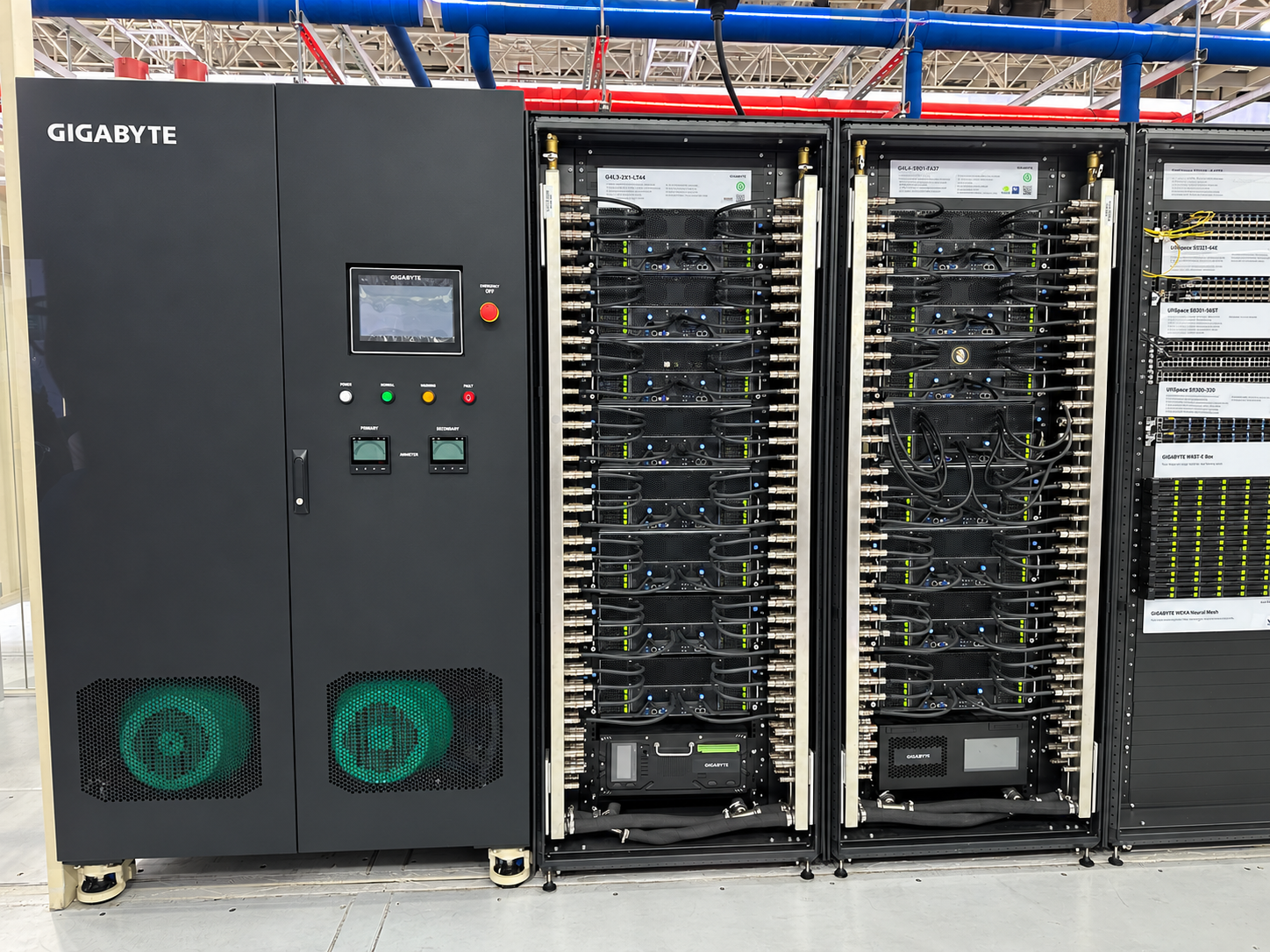
Discussions about AI servers often focus on chips and computing performance. Removing the heat those systems generate is also a design requirement. NVIDIA’s GB200 NVL72 uses a rack-scale, liquid-cooled design: a practical example of cooling being planned alongside the computing equipment.
NVIDIA · GB200 NVL72 ↗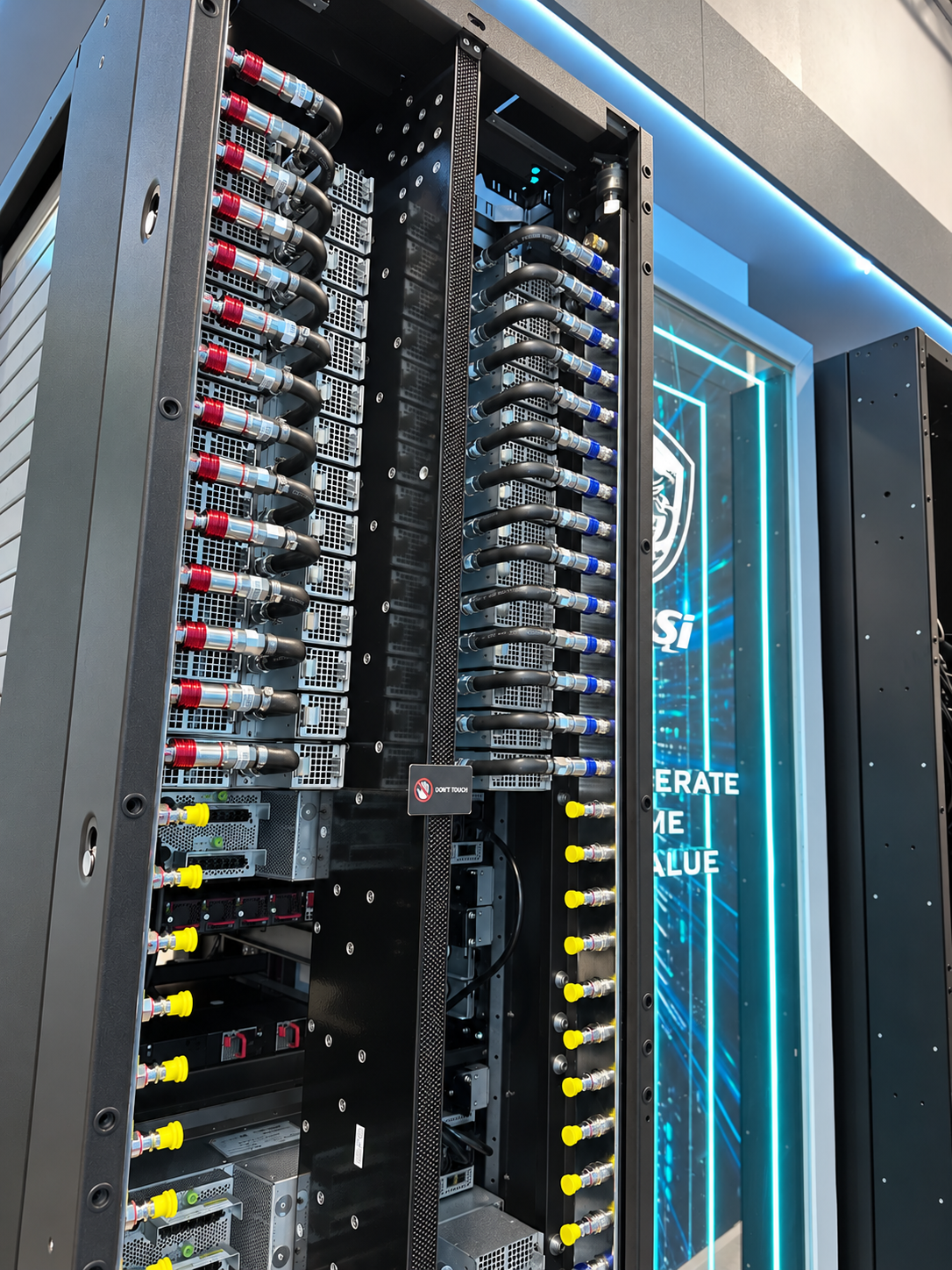
Confirm tube shape, dimensions and application requirements
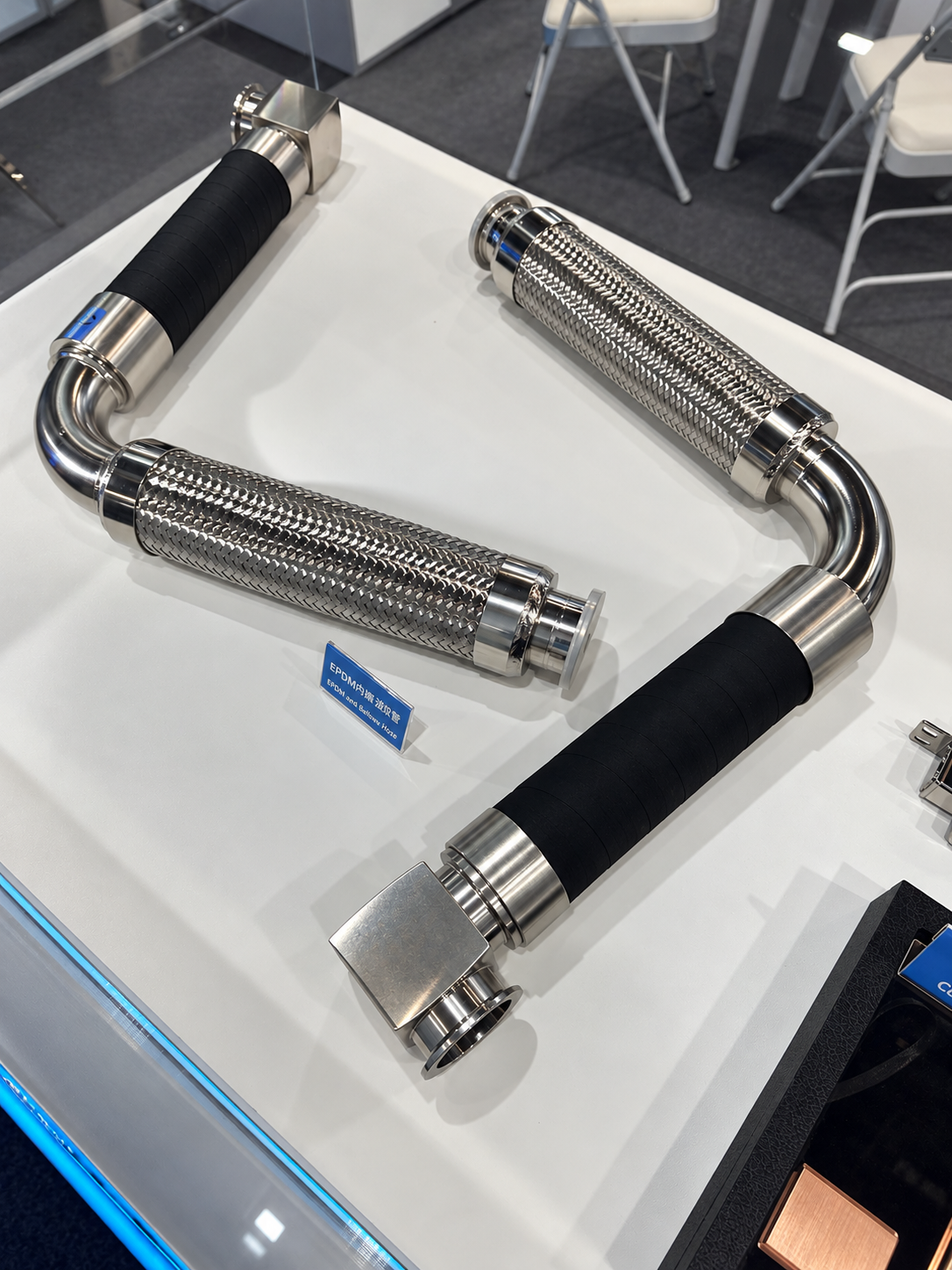
Assessing liquid-cooling tube components requires an understanding of the tube shape, dimensions and system interface requirements. Tube outside diameter, wall thickness, bend radius, bend angle and straight lengths provide the starting point for forming and tooling discussions. End dimensions, connection methods and installation positions should be reviewed against the mating components. Material, operating pressure, cleanliness and leak-testing requirements should be established from the project specifications, together with the verification arrangements.
Bend radius & angle
Confirm the centerline bend radius and bend angle against the drawing to assess forming and tooling requirements.
Straight lengths
Review straight lengths between bends and at the ends to assess clamping requirements and processing sequence.
End dimensions & connection requirements
Confirm end dimensions, tolerances and connection methods against mating parts when reviewing end processing and joining.
Connect development requirements with manufacturing experience
Established in 1984, Shi Pin has accumulated experience in CNC tube bending, related operations and process coordination. For new applications, this shop-floor experience supports discussions of forming sequences, potential interference during processing and downstream operations. We can also assess whether existing tooling may be reused or an alternative tool considered, helping inform development-cost planning. Projects involving welding, surface treatment or assembly can include discussions of external collaboration, allowing procurement and engineering teams to clarify process responsibilities and delivery requirements early.
THREE AREAS FOR PROJECT REVIEW
Design requirements
Application · specifications · quantity
Process review
Forming · integration · verification
Delivery requirements
Quantity · schedule · acceptance
Start a liquid-cooling component discussion with available information
Shi Pin continues to follow AI server cooling applications and study manufacturing requirements for liquid-cooling tube components. Companies with development projects are welcome to share drawings, samples or reference photographs, together with the application, material, anticipated quantity and schedule. Unconfirmed details can be discussed during consultation. Reference photographs help communicate shape and layout; production requires agreed dimensions, tolerances and acceptance requirements. Scope, pricing and production arrangements are discussed case by case.
Technical reference: NVIDIA DGX GB · Hardware